

Working Paper: Researchers as Policy Activists: An Experience-Based Framework for Responsive Policy Engagement
This paper is both an analytical and reflective piece on the process of public policy advocacy in global South contexts. It documents the author’s experience advocating with state governments in India to continue funding for the Mahila Samakhya women’s empowerment program. While reflecting on the dilemmas, processes and outcomes of this engagement, the author also […]
Outcome Assessment of Mathrupoorna, Srusti Scheme (Egg supply Scheme) and Ksheera Bhagya Schemes in Karnataka

This project analysed these three schemes, i.e. Ksheera Bhagya, Srusti Scheme (Egg Supply Scheme) and Mathrupoorna, for their assessable impacts on the field.
Process Review of the Bhagyalakshmi (BL) Scheme in Karnataka
CBPS conducted a second-phase study on Bhagyalakshmi (BL) scheme, exploring its functioning, impact, and potential role of Mahila Samakhya in empowering BL clubs. The aim was to improve and redesign the scheme.
Quality and Systemic Functioning in Secondary Education in India: A Study in Andhra Pradesh and Rajasthan
A study by CBPS with the broad objective of understanding the functioning of the secondary school system in India by examining in depth relevant policies and institutions, as well as carrying out a comprehensive analysis in Rajasthan and Andhra Pradesh.
Empowerment-based Mentoring Model for Adolescent Girls: Action Research in Bihar
The project aimed to demonstrate the impact of an empowerment-based mentoring model for adolescent girls that will develop leadership skills, allow them to develop critical thinking skills, examine and change their self-perceptions and aspirations, and enable actions related to themselves, their families and their communities.
Working Paper: Uneasy tenants in the Master’s house: Reflections on Mahila Samakhya
The working paperUneasy tenants in the Master’s house: Reflections on Mahila Samakhya published in 2018 focuses on Mahila Samakhya’s growth and the possible circumstances that led to the downfall. The Mahila Samakhya (MS) programme, initiated in 1988 under the National Policy on Education, sought to empower marginalised rural women in India through education and collective […]
Mahila Samakhya: A descriptive analysis of a baseline study in Haveri, Karnataka
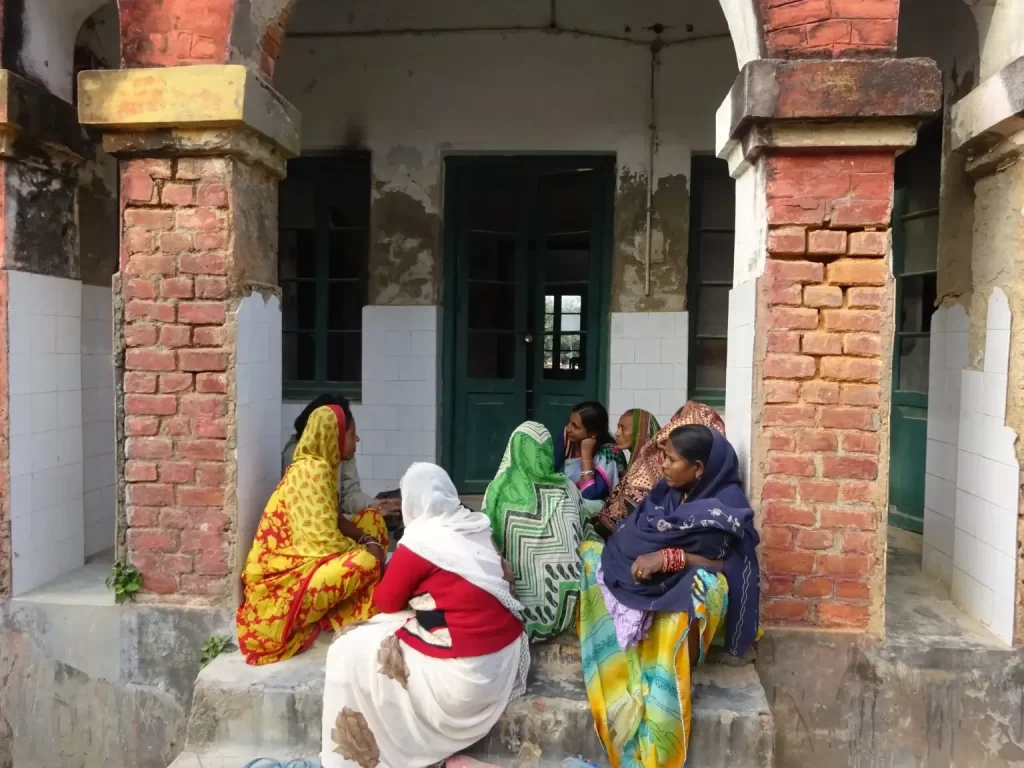
This report analyses the impact of the Mahila Samakhya (MS) program on women’s economic empowerment in Haveri, Karnataka. The MS program aims to reduce gender inequality by promoting collective action and education among rural women. Our study uses a mixed-methods approach, including a randomised control trial (RCT) and embedded ethnography, to explore sustainable economic empowerment, […]
Together We Can: Assessing the Impact of Women’s Action Groups on Social Change in India
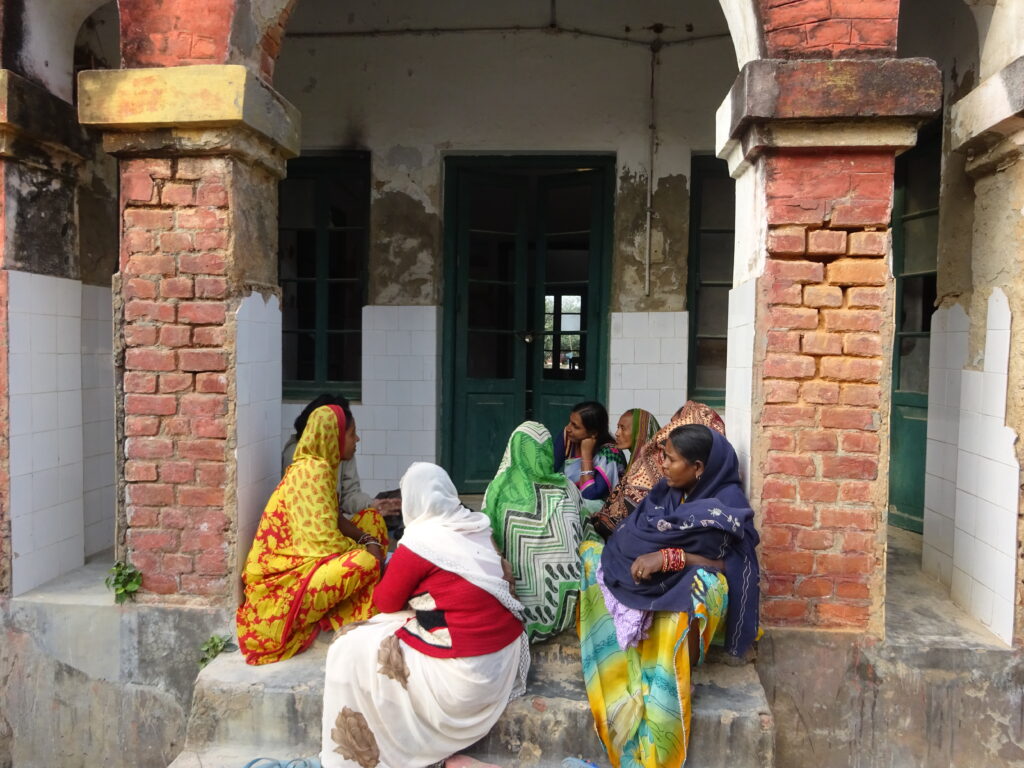
This project was a part of the Growth and Economic Opportunities for Women (GrOW), funded by IDRC. The aim of the project was two-fold: (i) To evaluate the impact of Mahila Samakhya (MS) programme on the economic empowerment of women, and (ii) To raise awareness and influence policies regarding collective action-based programmes among government functionaries, […]
Boys’ Underperformance in Education: Revisiting the Issue in the Commonwealth
Every child, regardless of gender, has the right to an education that offers not only academic learning but also training in the skills they will need to be successful in their particular environment. However, as recent statistics indicate, a significant percentage of children are still unable to access good quality education and so are denied […]
An Ethnographic Study of the Mathru Poorna Yojana (One Full Meal) Pilot Project for Pregnant and Lactating Mothers in Two Blocks of Two Districts in Karnataka
Research on maternal health in the last several decades has shown India’s maternal health indicators to be among the poorest across the world. Over 70 per cent of women in India have been found to be anaemic over the last decades. Despite these poor indicators on maternal health, India’s progress in improving the status of […]