

XIV CFC grants and Gram Panchayat Development Plans (GPDP)
This policy brief delves into the utilisation of XIV CFC grants and the implementation of Gram Panchayat Development Plans (GPDP) in Odisha, shedding light on critical findings and implications. With the XIV CFC disbursing substantial funds to Gram Panchayats (GPs) nationwide for basic services enhancement, including water, sanitation, and roads, the study examines how these […]
Public Expenditure on Secondary Education in Tamil Nadu – A critical analysis of size, sources, priorities, flow, processes and management

While public expenditure on secondary education in India is low compared to many countries, it is substantial. This study reviewed expenditure on secondary education in Tamil Nadu, focusing on the contributions of various departments and their budget allocations. The analysis (1) examined the overall spending on secondary education and the schemes from different departments (2) […]
Public Expenditure on Health in Rajasthan – A critical analysis of size, sources, priorities, flow, processes and management
Although public expenditure on health in India is low compared to many countries, it is substantial in scale. This analysis focused on health expenditure in Rajasthan, particularly the allocation priorities for Maternal and Child Health (MCH). The study explored the following key areas: Funding Mechanisms: Understanding how funds flowed within the state and identifying the […]
A Study of Pradhan Mantri Fasal Bima Yojana (PMFBY) in Karnataka
This study looked to analyse the overall implementation of the PMFBY scheme in Karnataka across its various stages as well as assess the implications of the scheme on paper. The project also looked to understand how farmers interacted with the scheme across Karnataka’s districts.
Empowerment-based Mentoring Model for Adolescent Girls: Action Research in Bihar
The project aimed to demonstrate the impact of an empowerment-based mentoring model for adolescent girls that will develop leadership skills, allow them to develop critical thinking skills, examine and change their self-perceptions and aspirations, and enable actions related to themselves, their families and their communities.
Working Paper: Uneasy tenants in the Master’s house: Reflections on Mahila Samakhya
The working paperUneasy tenants in the Master’s house: Reflections on Mahila Samakhya published in 2018 focuses on Mahila Samakhya’s growth and the possible circumstances that led to the downfall. The Mahila Samakhya (MS) programme, initiated in 1988 under the National Policy on Education, sought to empower marginalised rural women in India through education and collective […]
Mahila Samakhya: A descriptive analysis of a baseline study in Haveri, Karnataka
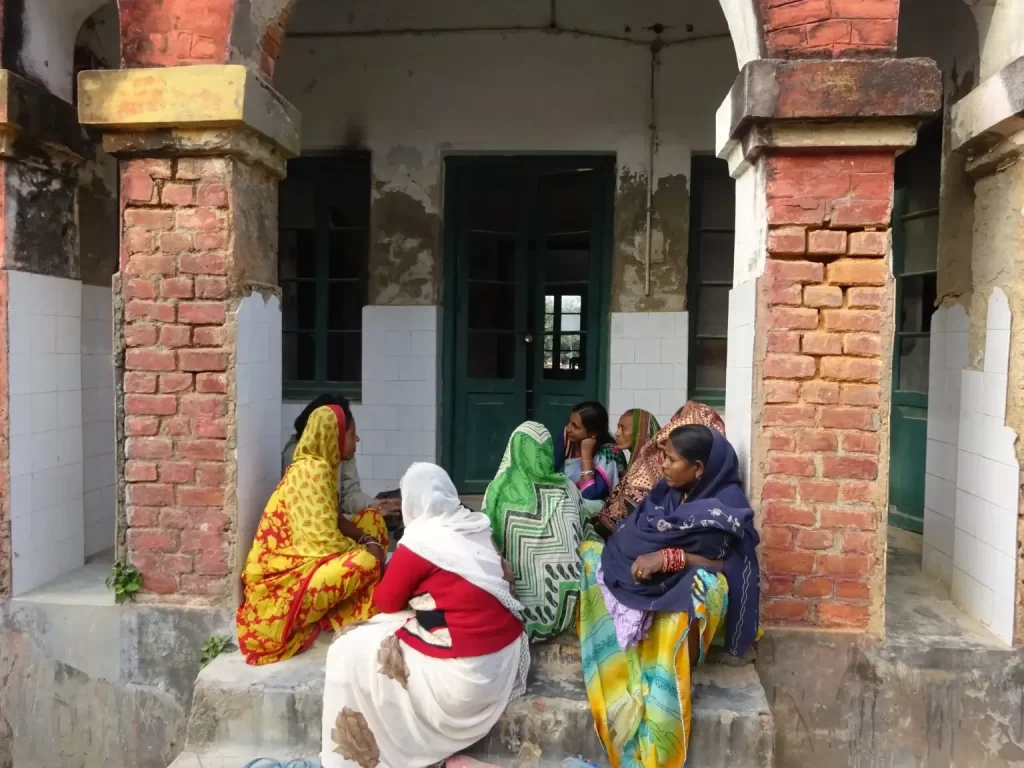
This report analyses the impact of the Mahila Samakhya (MS) program on women’s economic empowerment in Haveri, Karnataka. The MS program aims to reduce gender inequality by promoting collective action and education among rural women. Our study uses a mixed-methods approach, including a randomised control trial (RCT) and embedded ethnography, to explore sustainable economic empowerment, […]
Together We Can: Assessing the Impact of Women’s Action Groups on Social Change in India
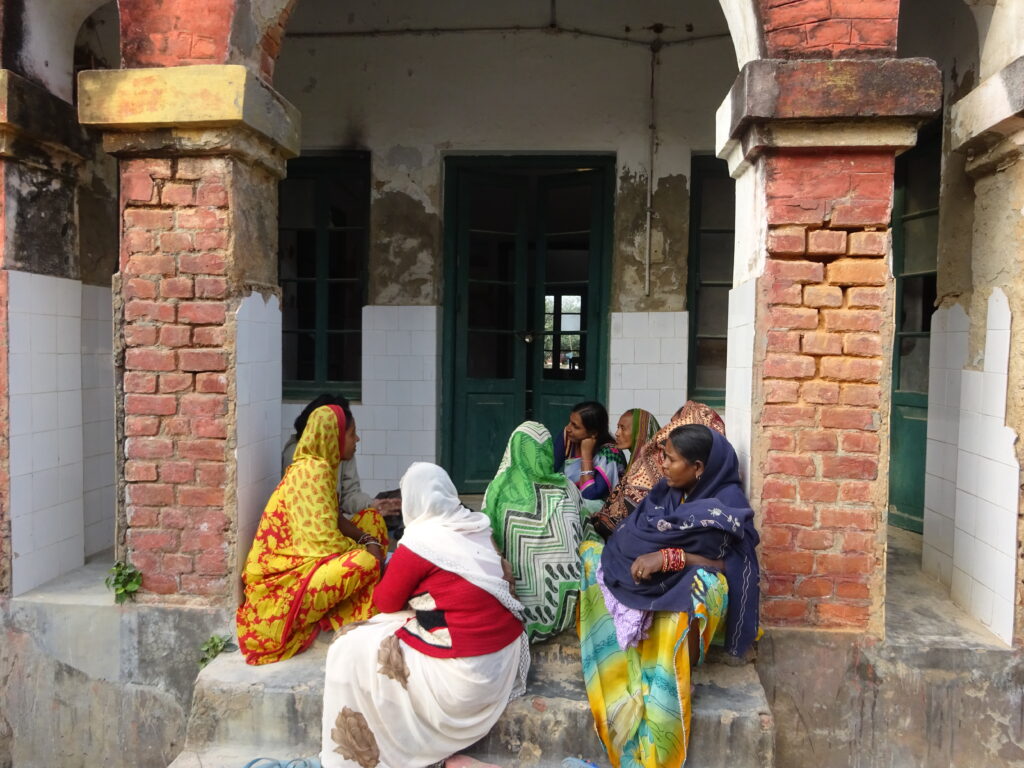
This project was a part of the Growth and Economic Opportunities for Women (GrOW), funded by IDRC. The aim of the project was two-fold: (i) To evaluate the impact of Mahila Samakhya (MS) programme on the economic empowerment of women, and (ii) To raise awareness and influence policies regarding collective action-based programmes among government functionaries, […]
An Ethnographic Study of the Mathru Poorna Yojana (One Full Meal) Pilot Project for Pregnant and Lactating Mothers in Two Blocks of Two Districts in Karnataka
Research on maternal health in the last several decades has shown India’s maternal health indicators to be among the poorest across the world. Over 70 per cent of women in India have been found to be anaemic over the last decades. Despite these poor indicators on maternal health, India’s progress in improving the status of […]
Whose Fate and Whose Wealth? An Analysis of the Bhagya Lakshmi Scheme in Karnataka
The Bhagya Lakshmi (BL) scheme in Karnataka addresses gender disparities, focusing on birth rates and social indicators. Initiated in 2006-07, it offers conditional cash transfers to Below Poverty Line (BPL) families upon fulfilling specified criteria. Primarily targeting the declining sex ratio at birth and enhancing girls’ education and health outcomes, BL holds significant implications for […]